Performance Metrics
Metric | UN Sustainable Development Goal | 2023 North America Result | 2024 North America Result | 2025 North America Result | 2025 North America Target |
Net promoter index score (out of 100, 30 considered good) | 8: Decent Work and Economic Growth | 49 | 40 | 59 | > 40 |
Greenhouse Gas Emissions Avoided for Customers (Scope 4) | 13: Climate action | 430 kT | 465 kT CO2e | 221 kT CO2e | > 290 kT CO2e |
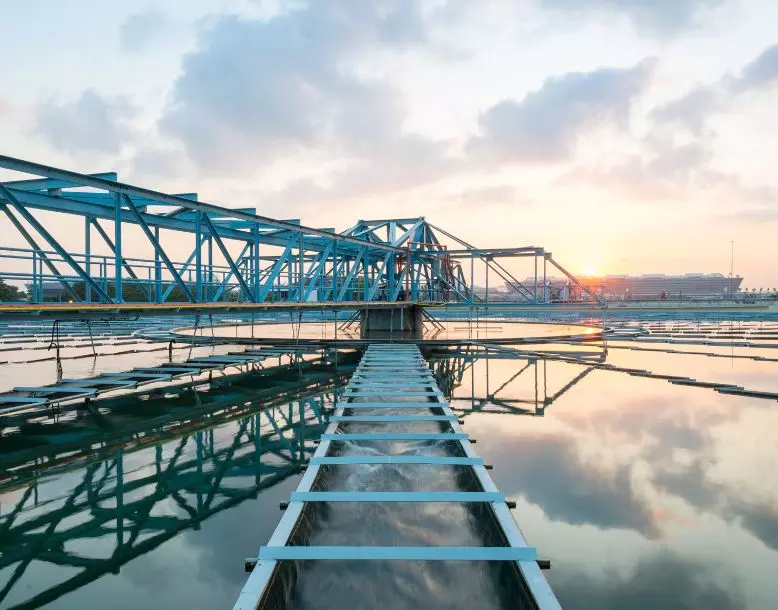
Volume of Drinking Water Processed for Customers | 6: Clean water and sanitation | 236,416,074,405 gallons | 242,916,967,084 gallons | 243,761,550,566 gallons | No target |
Volume of Wastewater Treated for Customers | 6: Clean water and sanitation | 368,618,813,387 gallons | 427,099,847,240 gallons | 374,597,902,927 gallons | No target |
Volume of Hazardous Waste Processed for Customers | 12: Responsible consumption and production | 1,888,259 metric tons | 1,838,507 metric tons | 2,582,120 metric tons | No target |
Measuring Customer Satisfaction
We strive to be useful and responsive to our customers and society. An important part of that is measuring customer satisfaction and using the results to improve. We use the Net Promoter Score (NPS) methodology, a customer loyalty metric of how likely customers are to recommend a company’s products or services to others. By tracking our NPS over time and comparing it to industry benchmarks, we can measure our customers’ satisfaction, identify areas of improvement and take action to address customer concerns. NPS is an important KPI, tied to our multifaceted performance and reviewed on a regular basis by Veolia’s North America CEO and Executive Committee.
Combating Climate Change
We help customers reduce greenhouse gas emissions by improving how energy is purchased, generated, managed and consumed. We accomplish this by:
- Reducing energy use through efficiency and optimization.
- Monitoring energy use and carbon emissions with digital analytics within Hubgrade.
- Deploying lower-carbon energy solutions, including CHP, renewable energy, batteries and microgrids.
- Using grid flexibility to shift electricity use away from periods of peak demand, when the grid often relies on higher-emission power plants.
- Supporting practical pathways to reduce hard-to-abate emissions.

Optimizing Resources
Across water, waste and energy, conserving resources to create a more sustainable future is critical. At Veolia, we are tackling this head on through innovative solutions that present the best ways to reuse and recycle resources as many times as possible. Our work includes:
- Innovative water management strategies that emphasize water reuse and conservation with built-in energy efficiency and waste reduction opportunities.
- Recycling and resource recovery for waste management.
- Engineered fuels to find new life for decommissioned materials like wind turbine blades.
Treating Pollution
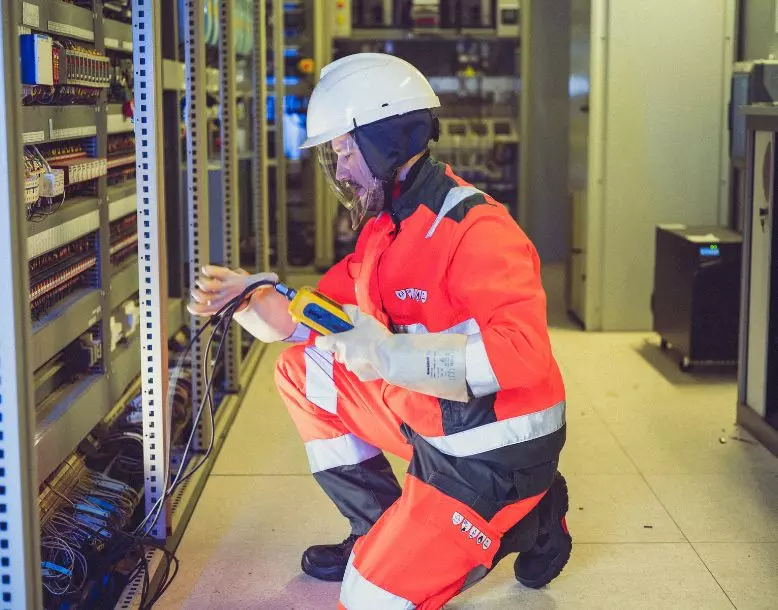
Addressing pollution in waste, water and energy systems is central to our environmental protection strategy. Our integrated approach is designed not only to remove pollution from the environment, but wherever possible, to regenerate waste into useful resources, supporting a circular economy. We work closely with municipalities, industries and communities to ensure regulatory compliance and responsible waste management across sectors, managing the complete treatment cycle from collection and transport to stabilization and disposal. This helps our partners reduce their environmental footprint while protecting human health, biodiversity and our shared natural resources.