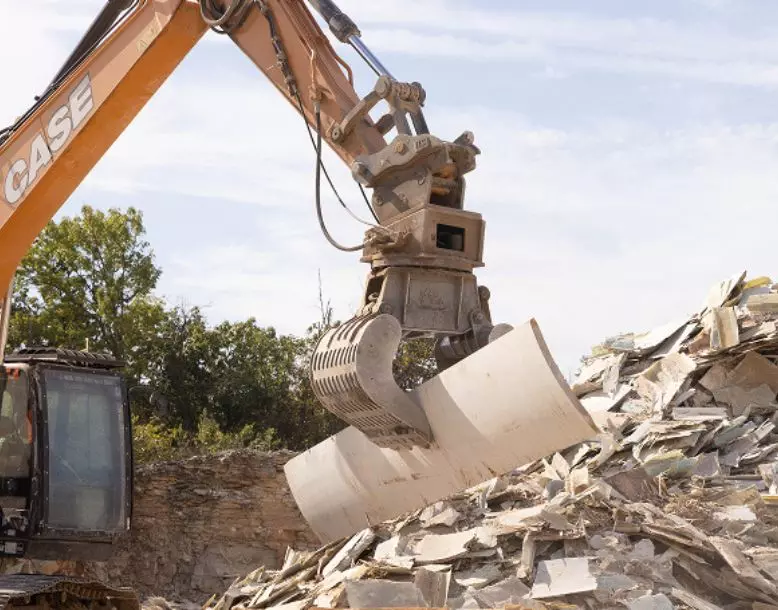
Give Decommissioned Blades a Second Life
Each blade decommissioning project is the final leg of a renewable energy journey. Trust your project with a partner who has the expertise and operational network to finish the job.
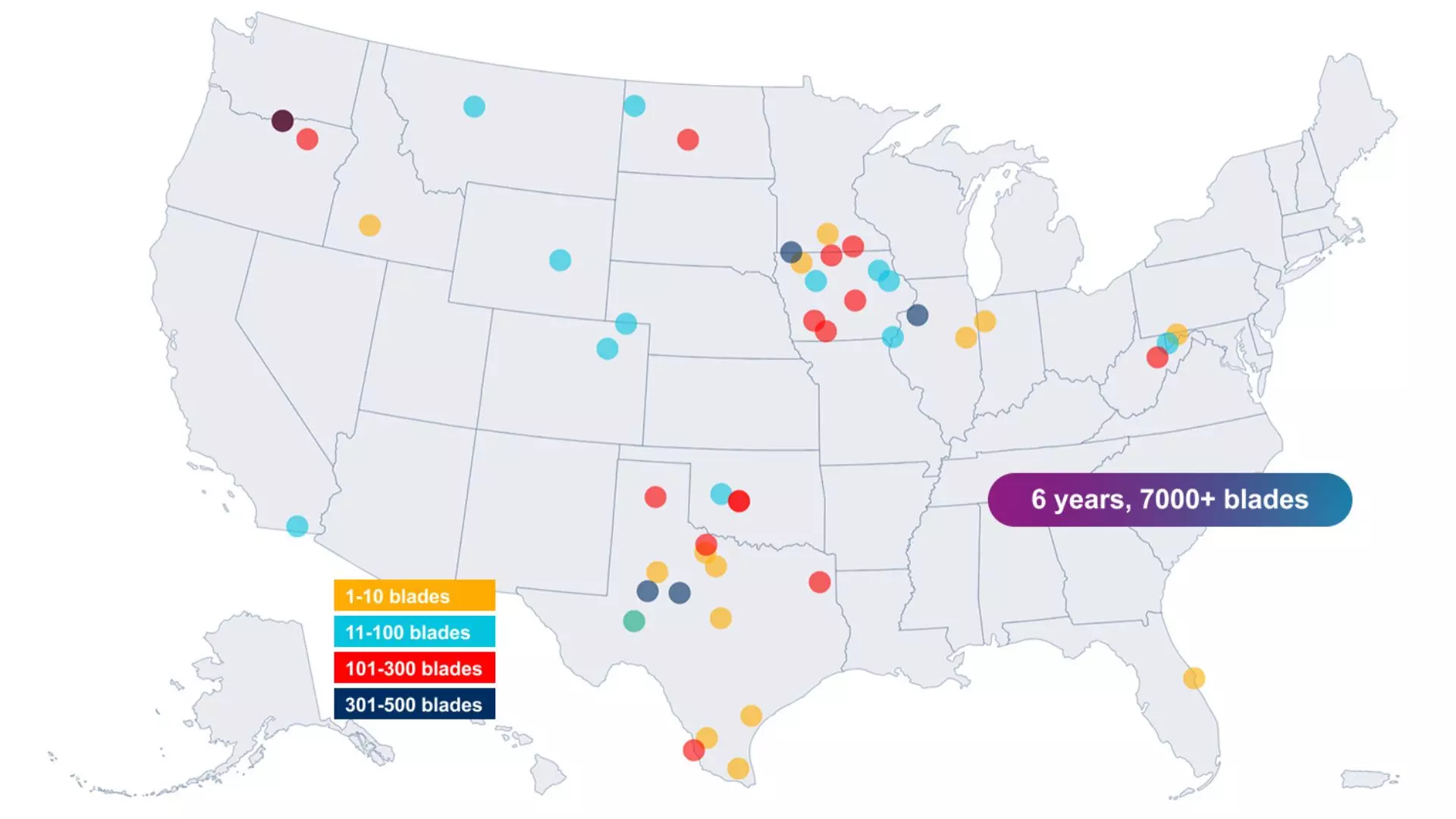
Veolia was the first in the USA to recycle wind blades at scale. Since 2020, we have helped recycle blades in volumes ranging from single blade failures to major repower projects. With 7,000+ blades processed to date, any size project is a great fit for our program.
Ready to transform your end-of-life blades from landfill waste to valuable cement industry resources?

Who we provide wind blade recycling services for:
Original Equipment Manufacturers |
Streamline your repower projects with efficient logistics, predictable costs, and fast turnaround. Veolia can help get your turbines back online quickly and on budget. |
Energy Providers |
Choose a scalable, low-risk solution backed by Veolia's Gold Seal. Our program is proven to be reliable, compliant and ready to grow with your portfolio. |
Contractors |
Veolia's simple solution and competitive pricing allows you to deliver to your clients on time and without regulatory risk - all while protecting your margins. |
As featured in top media outlets
|

|

|

|

|

|

|

|
As featured in top media outlets
|
|
|
|
|
|
|
|
|
|
|
|
How does it all work?
Blade Transport
Veolia coordinates logistics and transportation
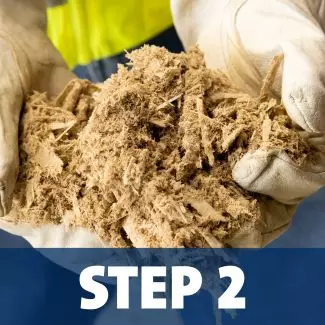
Blade Processing
Veolia's advanced shredding process turns blades into fuel for cement kilns

Receive Documentation
Veolia transports the fuel materials, and you receive full compliance reporting.
Veolia's Wind Blade Projects: 2020 - 2025
The Right Solution for Your Project
Repowers
Time for a repower? Veolia is equipped to handle repower blade projects at scale. Industry leaders trust us to keep repower projects on track, and so can you.
Graveyard Cleanups
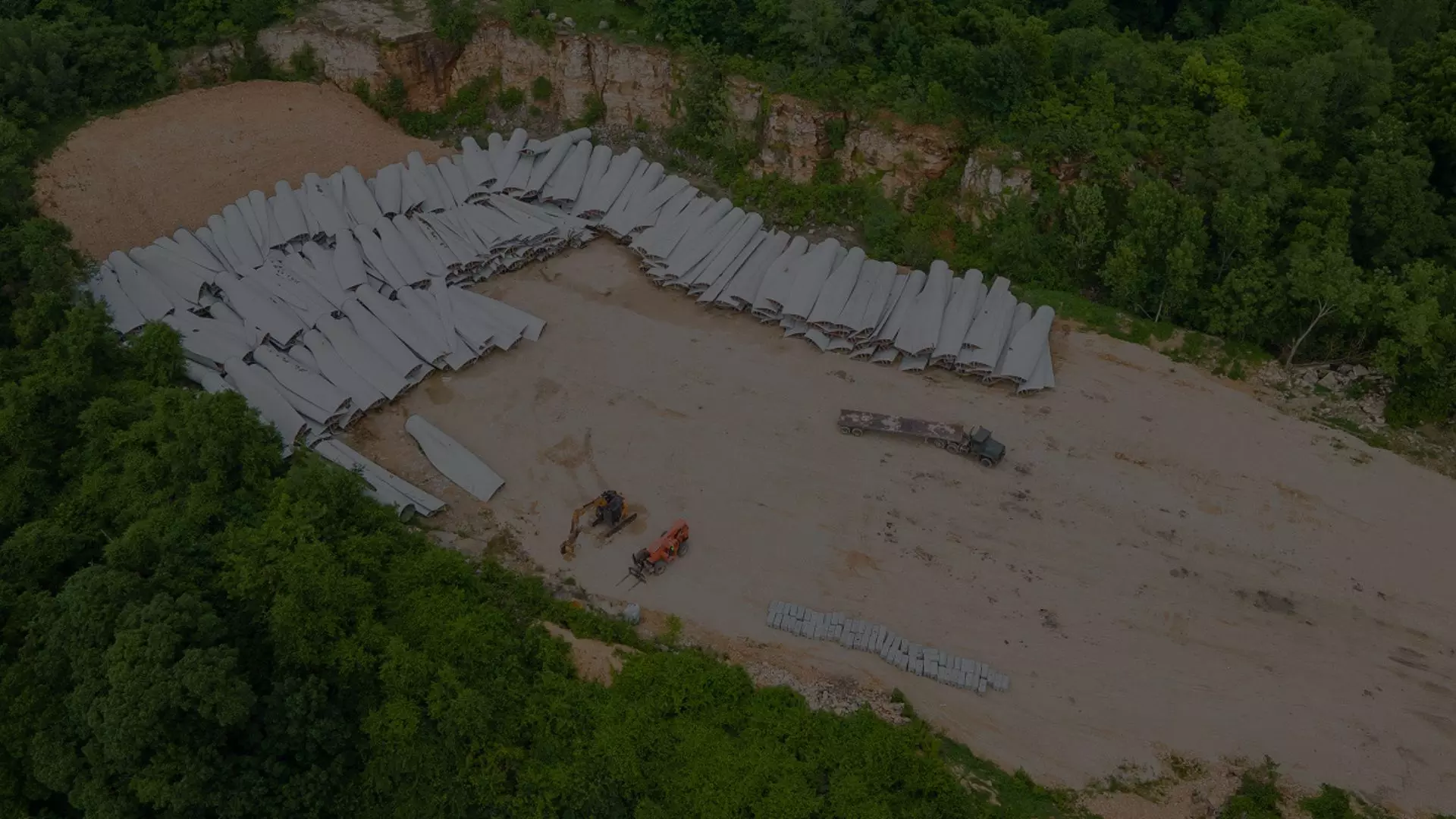
Have a pile of abandoned wind blades waiting for processing? We meet each project where it is. Let us take over operations and take your project over the finish line.
Turbine Failures
Smaller projects or one-off turbine blades are a great fit for our blade recycling program. Just reach out to get started.
Other
If you have a unique blade decommissioning project, let's talk! We have worked with clients of all sizes to develop custom solutions for retired wind blades.
Sustainability Metrics for Wind Blade Recycling
reduction in CO2 emissions compared to disposal
net reduction in water consumption vs traditional cement production
Each wind blade we process as fuel
for cement kilns replaces:
5 tons
of coal
2.7 tons
of silica
1.9 tons
of limestone
1 ton
of other raw materials
A Clear Path Toward Sustainability
Before
- High risk blade decommissioning providers with questionable financial backing
- Unproven reliability for project completion
- Old wind blades headed for landfill
- No beneficial reuse for materials
- Compliance issues and project delays
- Abandoned wind blade stockpiles
- Environmental, compliance, regulatory and PR risk
After:
- Low risk blade decommissioning provider with global financial backing and 175+ years in business
- Proven reliability for project completion
- Cleaner cement production
- Reduced emissions
- Streamlined operations
- Stakeholder approval
Frequently Asked Questions
Cement co-processing uses shredded wind turbine blades as fuel in cement kilns, displacing coal and other fossil fuels as the energy source in the very heat-intensive cement manufacturing process. This is how Veolia helps provide a more circular option for end-of-life wind blades.
Cement co-processing of wind turbine blades has tremendous raw material replacement value in the cement-making process. Each blade will replace 5 US tons of coal, 2.7 tons of silica, 1.9 tons of limestone and 1 ton of other raw materials in the fuel mix.
The resulting cement has the same properties and performance as cement manufactured using traditional means, meeting all applicable ASTM standards. The only difference is that the cement-making process itself would use a low-carbon alternative fuel source.
Veolia's Missouri facility is centrally located to provide both favorable transportation to wind farms and close proximity to our cement kiln partner locations. Both of these factors allow us to offer improved logistics and greater value to our customers.
100%. Veolia operates in a secure industrial area to accurately inventory and process all project volumes to ensure integrity of individual project metrics. We will provide tracking and processing documentation once materials progress through each phase of processing to provide complete project visibility for you and your customer.
Yes. Veolia will provide tracking and processing documentation once materials have been fully processed to ensure a complete project close-out for you and your customer.
Veolia's wind turbine blade recycling facility maintains the highest level of safety compliance standards in the industry. We've also maintained zero recordable injuries and zero compliance violations.
This is a story that we have heard a lot since we started processing decommissioned wind blades at scale. This is often because newer market entrants lack the financial stability and regulatory compliance infrastructure that is required to succeed past a few years. You can read more about this in our PES Wind article.
Veolia has been providing environmental solutions on a global scale for over 175 years, and we have strong financial backing both from our US operations and our European group headquarters. We view our wind blade program as an essential need in keeping decommissioned blades out of landfill, and we have currently no plans for exiting the space. In fact, quite the opposite.